The Future of EPR: How Extended Producer Responsibility Will Transform Sustainability & Industry
In today’s world, waste is no longer just an environmental issue—it’s an economic and social challenge. Mountains of plastic, electronic scrap, packaging waste, and hazardous materials are pushing our planet to the edge. Enter EPR (Extended Producer Responsibility), a concept that goes beyond compliance and represents a major shift in how industries approach sustainability.
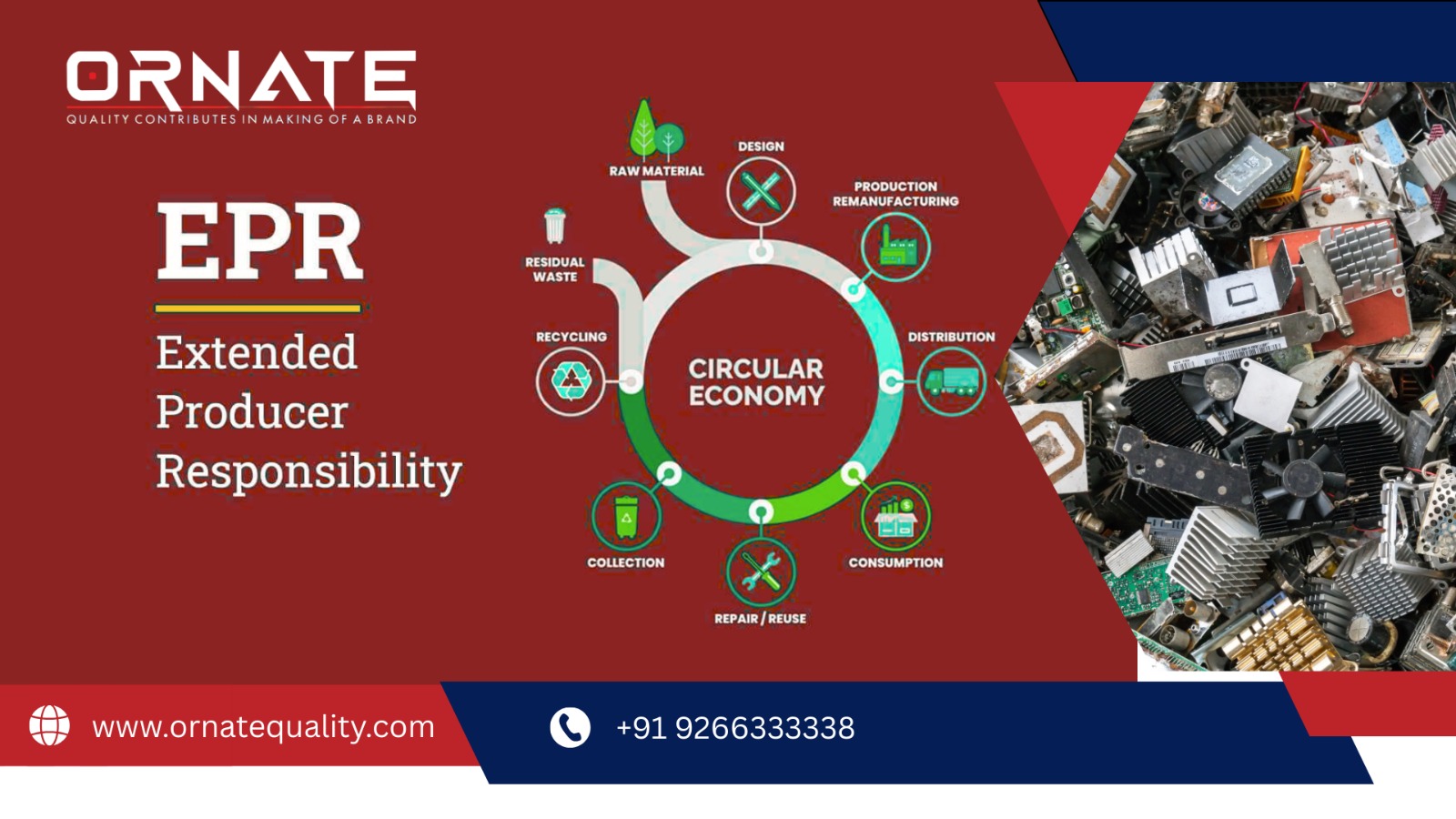
EPR makes producers responsible for the entire lifecycle of products—from creation to safe disposal. But its future is much bigger. It will redefine industries, support the environment, and reshape consumer behaviour globally.
Here’s a look at why EPR is important, future predictions, and how it will transform industries in the coming years.
Why EPR Is Important for the Future
- Sustainability at the Core: Companies are adopting eco-friendly design, recyclable materials, and responsible packaging.
- Circular Economy Model: EPR supports reuse, recycling, and regeneration of materials.
- Consumer Awareness: Modern consumers prefer brands that practice sustainability.
- Government Regulations: Global rules for plastics, e-waste, and packaging are becoming stricter.
- Climate Action: EPR reduces pollution, landfill waste, and carbon emissions.
Predictions for the Future of EPR
- Global Standardisation: Countries will adopt consistent EPR policies, especially for packaging and electronics.
- Digital Tracking & AI: Blockchain, IoT, and AI will bring transparency to waste tracking.
- Rise of Green Packaging: Biodegradable and reusable materials will become mainstream.
- Producer-Led Recycling: Companies will build their own recycling and reverse logistics systems.
- Consumer Incentives: Cashback and rewards will encourage responsible disposal.
- Expansion to New Sectors: Automotive, textiles, and renewable sectors will join EPR mandates.
The Revolutionary Impact of EPR
- On Industries: Products will be redesigned with sustainability built in.
- On Consumers: Reward-based recycling programs will change daily habits.
- On the Environment: Less waste, reduced pollution, and preserved natural resources.
- On Governments: Lower waste management costs and more green jobs.
How EPR Will Revolutionise the Future
EPR represents a complete mindset shift. By 2035, most industries will integrate EPR deeply into their operations, enabling zero-waste strategies and efficient recycling systems.
Imagine a world where electronics create no e-waste and packaging is always recyclable or reusable. Digital systems will track waste with total accuracy, ensuring transparency and accountability.
This is the real EPR revolution—sustainability blending seamlessly into business and everyday life.
Final Thoughts
The future of EPR is transformative. It’s not just a regulation—it's innovation, environmental responsibility, and a path to global sustainability. Companies that embrace EPR today will become leaders in tomorrow’s greener world.
In short, EPR isn’t the end of responsibility—it’s the start of a sustainable era.